新一代ERP系统延至2023年中启用 明年下半年起可免费更换行车器
功夫熊猫 • • 10323 次浏览陆路交通管理局说,新系统启用时不会改用新的收费方式,即按照行驶距离收费。届时收费地点和收费率会保持不变,该局也会继续根据车速和拥堵程度,定期调整过路费。
新一代无闸门公路电子收费系统将延至2023年中启用,驾车者可从明年下半年起,将车内阅卡器免费更换成与新系统兼容的智能行车器。
陆路交通管理局昨天宣布新一代公路电子收费系统(ERP)的启用日期时也说,新系统启用时不会改用新的收费方式,即按照行驶距离收费。届时收费地点和收费率会保持不变,该局也会继续根据车速和拥堵程度,定期调整过路费。
陆交局早在2016年宣布斥资5亿5600万元建造新一代ERP系统,取代自1998年就投入运作的第一代系统。新系统采用全球导航卫星系统(Global Navigation Satellite System,简称GNSS)技术,最终可根据驾车者在拥堵路段行驶的实际路程来收取路费,现有77个电子闸门会在新系统稳定后陆续拆除,不过陆交局会在收费区前安装告示牌,提醒驾车者前方路段将收费。
18个月分批更换行车器
新系统也可提供其他增值服务,包括根据车主所在地点提供实时交通信息以及支付路边停车费,也可提供附近哪里有学校区和乐龄安全区等信息,提醒驾车者注意孩童和年长者的安全。
为确保新旧系统衔接顺利,新系统启用前会有18个月的过渡期,让驾车者分批将目前使用的阅卡器(IU)更换成与新系统兼容的行车器(On-Board Unit,简称OBU)。政府将为所有新加坡注册的车辆免费更换第一套行车器。
行车器安装工作原定今年展开,不过陆交局说,由于冠病疫情影响全球供应链,安装工作将延至明年下半年才开始。“陆交局会继续观察疫情对安装工作的影响,并给予驾车者足够的时间顺利过渡。”
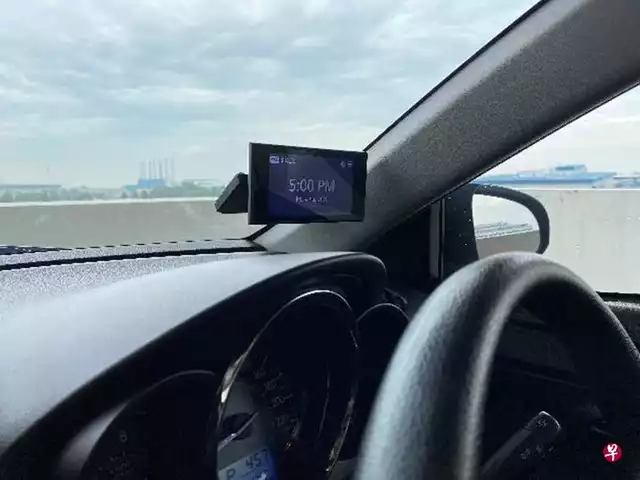
行车器设计分为两种,第一种只有一个组件,适用于电单车;第二种则由三个组件组成,分别是安装在挡风玻璃的传输器和触屏,以及装在仪表板下方的处理器,适用于汽车等车辆。
针对有公众担心行车器收集的数据会外泄,陆交局强调,这些数据会以匿名或汇总的方式呈现,方便当局用作交通管理或规划用途,该局也会通过公共服务监管法令等严格的保安措施,防止他人滥用数据。
“个别车辆的数据则只用作付费和执法用途,例如取缔违例者。未付费的传票也会自动生成,就像目前的做法一样。”
交通部长王乙康昨天在面簿贴文说,第一代ERP系统行之有效,但过了20多年已接近使用期限,再加上科技发达,是时候改用新系统。“ERP的运作方式不会改变,会变的是不再需要庞大的闸门。”
他也说,安装行车器过程估计少于一个小时,陆交局会在日后公布详情。
via https://ibit.ly/Z9k2
-
#1
都什么年代了,车上要装一个这么大的装置一个缴费工具,给我整个触屏是什么意思?我要刷facebook开始在上面追剧?如果需要查询信息,难道不能用手机吗?曾经二十年前ERP的技术可能是领先的,现在这个看起来还没出世就已经过时。
-
#2
直接给里程碑加个封条就可以了,用不着这么麻烦。每次保养的时候让车行代收即可。
-
#3
很奇怪这样傻的方案居然没有人出来反对……
-
#4
问题是这方案就是最终方案吗?如果是,负责这个项目的人应该切腹自尽,太尼玛的差了。
-
功夫熊猫 楼主#5
说明项目负责人的年龄对新技术的理解还停留在二十年前
-
#6
关键是生搬硬套,不懂灵活运用光看见车内大屏了,没长脑子想想是不是需要,有没有安全隐患,会不会给车主带来不便等等。
-
#7
转自MycarforumI am writing in to voice my displeasure and disappointment with yesterday's unveiling of the new in-car ERP unit. As a driver and a User-Interface, User-Experience and Digital Product Designer for over 18 years. This horrifically inelegant and overly feature bloated device frustrates me to no end and leaves me with many questions as to why such a device can be approved for a product launch and a recommendation that the large touchscreen unit is made an optional piece instead. Allowing car-owners the choice of either a smaller, less-distracting/dangerous screen or for car-owners to have a similar unit as those installed on motorcycles.
At first glance, the implementation of a large touch-screen device might pose physical, usability and longevity issues.
From a purely physical and safety standpoint, the overly large touchscreen unit is also going to be a physical hazard for drivers and passengers alike. Vision will be restricted for all drivers forward of the A-Pillar, this will lead to more dangerous situations on the roads primarily for other drivers and pedestrians alike. This overly large screen device featured prominently in the line-of-sight of all drivers will also introduce additional glare when driving in darker areas, further reducing their already restricted vision. Most new cars are also fitted with airbags hidden within their A-Pillars, in the event of a catastrophic crash, airbag deployment might dislodge this large screen, and in a worst-case scenario, become a hazardous projectile for both drivers and passengers.
On the usability front, unless the ergonomics of such a device have been properly tested out, I am sceptical of the touch screen being ergonomically sound across the myriad of vehicles we have on our roads today. The placement of such a large device does not just pose a safety issue as mentioned earlier but having a device that requires driver input via a touchscreen will not just be distracting, it will be highly dangerous. Having this large touchscreen unit will also prove to be a huge distraction for drivers in terms of usability. A study done by iamroadsmart.com shows that reaction times for drivers are slowed down by over 50% when a touchscreen device is installed.
In Product/UX design, there is also a term referred to as "Feature Creep", in essence, leading to an overly-complex product (a UX designer’s nightmare), which might cause delays and cost overruns. There is also another term referred to as "Feature Bloat", where limited (or indeed little) value features are added for the sake of it. Both these issues result in a product that is bloated, overly complicated and expensive to design, develop and build. In the worst cases, feature creep and feature bloat will completely ruin products or projects and from what several drivers have mentioned online, this seems to be the direction the new ERP in-car unit is headed. All we need is a device that allows us to pay our congestion fees quickly and easily with the least amount of fuss. If motorcycles can have such a unit with all these unnecessary "bells and whistles", may I suggest that car-owners be given the same option of installing this much simpler unit instead?
In terms of the longevity of this touchscreen device, there are also a few issues. New generation, in-car infotainment systems are already displaying traffic news, updates and even speed limits on dashboards, effectively negating the need for this new bulky device and already rendering it obsolete even before it has been installed on a single car. For drivers without these new on-board systems, constantly updating and constantly improving mobile apps are already able to serve up the required (and up to date) information, again, when we need it. Further proof this touchscreen device will be redundant upon release.
On the topic of new vehicles, will testing of this device be conducted with manufacturers to ensure the installation of the said device will not compromise the functionality of the car's onboard computer/display systems? Will the relevant authorities or installers be accountable in the event of any failure or malfunction after the installation of this multi-piece device?
in addition to arguments on the redundancy and obsolete nature of the touchscreen display, such touch-device are also expected to have a shorter life-span unlike units today which on certain cars, have lasted over 20 years. Touchscreen devices, on the other hand, have a life expectancy of around 5 years. Are there processes already in place for when these screens eventually fail? Or has it been planed that motorist will be required to foot the costly bill for replacing such devices?
It does seem to me (and many others) that the thought processes behind this ($556 million) device could also have been more thorough and as such, I can only again voice my disappointment that this product that fails on multiple usability issues could have been approved for launch. -
#8
实际到车里面去试了试,情况似乎没有想象中的糟糕实践出真知,我昨晚就去自己的车里面试了试。从驾驶员位置看,现在贴在挡风玻璃右下角的IU,没有阻挡路面视线,和前机盖的一部分重合。如果新的IU的安装高度不要超过现有的IU,那情况还算是ok的,不会挡视线。
但是上面贴的这段英文提到的其他concerns还是有。 -
功夫熊猫 楼主#9
狗尾续貂就是多余
-
#10
这个能不能顺便装个导航软件阿就不用整天拿手机导航了。。。